


Every listing tells a story before a buyer ever walks through the door. An empty room tells a thin one. The buyer stands in the doorway, does quiet math about whether their couch fits, and moves on. A staged room tells a richer story, the kind a buyer wants to step into. That gap between subtracting and imagining is where staging earns its keep, and the 2026 data makes the size of that gap hard to ignore.
This is a practical look at what the numbers actually say, not a sales pitch. We pull from industry research, online buyer behavior, and what listing agents see in the field, then translate it into decisions you can make on your next listing.
Why staging data matters more in 2026#
Home buying starts on a screen. The National Association of Realtors has reported for years that the vast majority of buyers begin their search online, and that the photos are the first thing they look at. In 2026 that pattern is stronger, not weaker. A listing now competes for attention in a feed, next to dozens of other thumbnails, judged in the time it takes to scroll past.
That shift changes what staging is for. Staging used to be about the in-person walkthrough. Now the first and most important showing happens on a phone, and the staged photo is what wins or loses that moment. The listing that photographs well gets the click, the click drives the showing, and the showing drives the offer.
This is also why the economics of staging changed. When the decisive first impression is a digital image, you do not need a truck full of furniture to make it. You need one excellent photo per room. That single fact is what pushed virtual staging from a budget alternative to a default tool on vacant listings.
The cost of a vacant listing#
Vacant homes carry a quiet penalty. Buyers struggle to judge scale in an empty room, rooms photograph cold and flat, and every flaw stands out because there is nothing else to look at. The result is hesitation, and hesitation shows up as days on market.
The Real Estate Staging Association has long reported that staged homes tend to sell faster than comparable unstaged ones, and agents see the same thing on the ground. Time is not a soft cost. Each extra week a listing sits invites a price reduction, signals to buyers that something is wrong, and ties up the seller's money and patience.


Look at the two states of the same room above. The vacant version asks the buyer to do work: measure, imagine, and fill the space themselves. The staged version does that work for them. It sets the scale, suggests a lifestyle, and gives the eye a place to land.
The takeaway is not that empty homes never sell. They do. The point is that they sell slower and weaker than they could, and the fix is no longer expensive or slow.
Virtual staging versus physical staging, by the numbers#
Physical staging works. It also rarely fits the budget or timeline of a normal listing. Renting furniture and paying for delivery, setup, monthly rental, and teardown adds up fast, and the calendar cost is just as real. Virtual staging targets the same outcome, the strong first photo, with a different cost structure.
| Factor | Physical staging | Virtual staging |
|---|---|---|
| Cost | Hundreds to thousands per month, per property | A small one-time cost per photo |
| Turnaround | Days to weeks to schedule and install | Minutes |
| Flexibility | One look, hard to change | Restyle the same room in multiple looks |
| Risk | Furniture damage, scheduling, vacancy needed | None, the home is untouched |
| Best for | Luxury showpieces, model units | Vacant listings, investor properties, fast launches |
The comparison is not about which is better in the abstract. It is about where each one pays off. Physical staging makes sense for a marquee luxury listing where buyers will tour in person and expect a showpiece. Virtual staging makes sense everywhere the decisive moment is the photo, which in 2026 is almost everywhere. For a complete side-by-side, read our virtual staging vs physical staging guide.
See your space transformed in two minutes.
Stage Your First Listing FreeNo credit card required. First room is free.
What staging returns on investment#
The most common mistake is to think of staging as a furniture expense. It is not. The return on staging is not the sofa in the picture. It is the faster sale, the stronger online performance, and the higher perceived value that follows a confident first impression.
The return on staging is not the furniture. It is the faster sale.
NAR's home staging research has reported that a meaningful share of buyers' agents see staging nudge the dollar value buyers are willing to offer, often in the low single digits as a percentage. On a mid-priced home, a small percentage is not a rounding error. It can be many multiples of what the staging cost in the first place, especially when that staging was virtual and priced per photo. For how those numbers pencil out by market and provider, see our virtual staging cost guide.
There is a second, quieter return. A staged listing photographs well, and listings that photograph well earn more saves, more shares, and more showings. That extra attention compounds. The listing that looks alive in the feed pulls more buyers through the door, and more buyers through the door is how you create competition on price.
How buyers actually shop in 2026#
To use the data, you have to picture the real buyer journey. It does not start at the curb. It starts in bed, on a phone, thumb moving fast through a feed of listings. Each home gets a fraction of a second to earn a tap. The lead photo is the entire pitch.
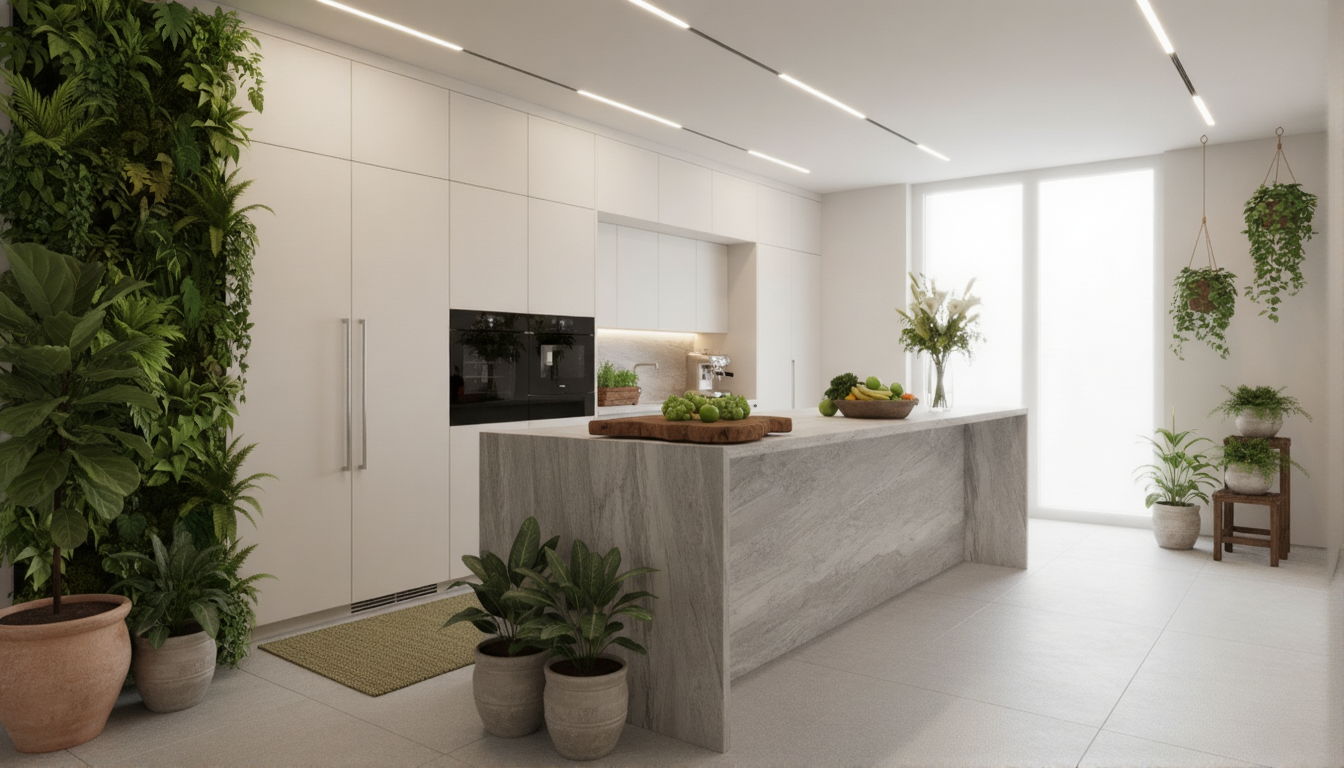
That is why the kitchen and the primary living area matter so much. They are the images buyers weigh most, and they are the thumbnails that win or lose the click. A staged kitchen looks warm and move-in ready at thumbnail size. A bare kitchen looks like a job to do.
Once a buyer taps in, the rest of the gallery either keeps the story going or breaks it. A mix of strong staged rooms holds attention and builds desire. A run of empty rooms invites the buyer to start finding problems. The goal of the photo set is to carry the buyer from the first tap all the way to booking a showing without a single cold, confusing frame.
Staying compliant while you stage#
Speed is no excuse to cut corners on disclosure. Virtual staging is allowed across most markets, but nearly every MLS and real estate board requires you to be clear that an image has been digitally altered. The rules exist to protect buyers from surprises, and following them protects you.
Good virtual staging makes compliance easy because it is honest by design. It furnishes empty rooms and shows a realistic use of the space. It does not erase water stains, fake a finished basement, or add square footage. When the staging is truthful and the disclosure is clear, you get the marketing benefit with none of the risk.
This is also where provider quality matters. Photorealistic staging that respects the room's real lighting, scale, and perspective reads as a normal listing photo and stays firmly inside the rules. Staging that ignores those details is both less convincing and more likely to draw a complaint.
See your space transformed in two minutes.
Stage Your First Listing FreeNo credit card required. First room is free.
Turning the numbers into a listing advantage#
The data points in one direction. Buyers shop on screens, empty rooms cost time and money, and the measured benefit of staging is that it helps people imagine a home as theirs. Virtual staging delivers that benefit in minutes, per photo, with no furniture and no scheduling.
None of this requires a bigger marketing budget. It requires putting the strongest possible first impression in front of buyers at the moment they decide whether to keep scrolling or book a tour. That is the whole game in 2026, and it is a game you can win on your very next listing.
Start with one room. See the empty space become somewhere a buyer wants to live, then put that image at the top of your gallery and watch what it does to your showing requests.
Frequently Asked Questions
Does virtual staging actually help homes sell faster?
Is virtual staging cheaper than physical staging?
Do I have to disclose that photos are virtually staged?
Will virtually staged photos look fake to buyers?
Which rooms are worth staging?

Ready to sell it staged?
Try virtual staging free. Photorealistic, MLS-compliant results in two minutes. No credit card required.
Stage Your First Listing FreeFirst room is free.
Get virtual staging tips that sell
Join the list for data-backed posts on staging, listing marketing, and what actually moves properties. No spam.
Keep reading
 Market Data
Avoid 5 Costly Virtual Staging Mistakes in Real Estate Photoshoots
Discover the hidden costs of virtual staging in real estate, and how to avoid them for a successful home sale. See how it works on your next vacant listing.
 Market Data
Avoid Surprising Costs: The Hidden Truth About Virtual Staging
Discover the unexpected expenses that come with virtual staging and learn how to avoid them in this insightful guide for real estate agents.
 Market Data
The Hidden Virtual Staging Cost: A Nightmare for Real Estate Agents
Discover the hidden virtual staging costs that can negatively impact your property's sale price and days-on-market, and learn how to avoid them